Aqiqah & Cukur Jambul: When to Hold It, the Ruling and the Programme
Aqiqah and cukur jambul are usually held together as one majlis, most often on the seventh day after birth. Aqiqah is the sacrifice made in gratitude; cukur jambul is the ceremonial first cutting of the baby's hair. This guide covers the timing, the number of goats, the running order and a preparation checklist for parents still in their first weeks.
Aqiqah is the sacrifice of a goat or sheep in gratitude for the birth of a child. The ruling is sunnah muakkad — strongly encouraged but not obligatory, so it never becomes a burden on a family that cannot yet afford it.
Cukur jambul is the ceremonial first cutting of the baby's hair. In Malaysian practice, guests take turns snipping a little hair over a bowl of scented water, accompanied by selawat and marhaban. The two are distinct ceremonies but are almost always combined into one majlis to save time and cost.
When should it be held?
The seventh day is the most encouraged, but it is not a deadline. If the mother is still in confinement or the family is not ready, the majlis can be postponed without affecting the validity of the aqiqah.
Day after birth
What happens
Notes
Day 7
Aqiqah, cukur jambul and naming the baby
The most encouraged and by far the most common
Day 14
Aqiqah if the seventh day was missed
The usual second option in local practice
Day 21
Aqiqah if day 14 was also missed
Still accepted; gives the mother room to recover
Later
Can be held at any time
Some scholars allow it right up to adulthood
How many goats, and who pays
For a boy the sunnah is two goats; for a girl, one. Where means are limited, one goat for a boy is still accepted — the intention and the gratitude are what matter.
Responsibility for the aqiqah rests with the father or guardian. Most families now book an aqiqah package that handles the sacrifice, butchering and cooking in one go, which is far easier than managing it yourself in the first week after a birth.
The usual running order
An aqiqah majlis is typically short — two to three hours is plenty, and it is kept deliberately brief because babies tire quickly.
Guests arrive and an opening spread is served, usually after Zuhur or after Asar.
Marhaban or selawat led by an invited group or by family members.
The cukur jambul itself — guests take turns cutting a little of the baby's hair.
The doa selamat, and the baby's name announced to the guests.
The full meal and family photographs.
Gift bags or aqiqah meat distributed to guests and neighbours.
Preparation checklist
Most of this can be settled in one to two weeks, and faster still for a majlis held at home.
Book the aqiqah package or the animal early — weekends fill up first.
Fix the guest count first; it drives the catering, the canopy and the number of gift bags.
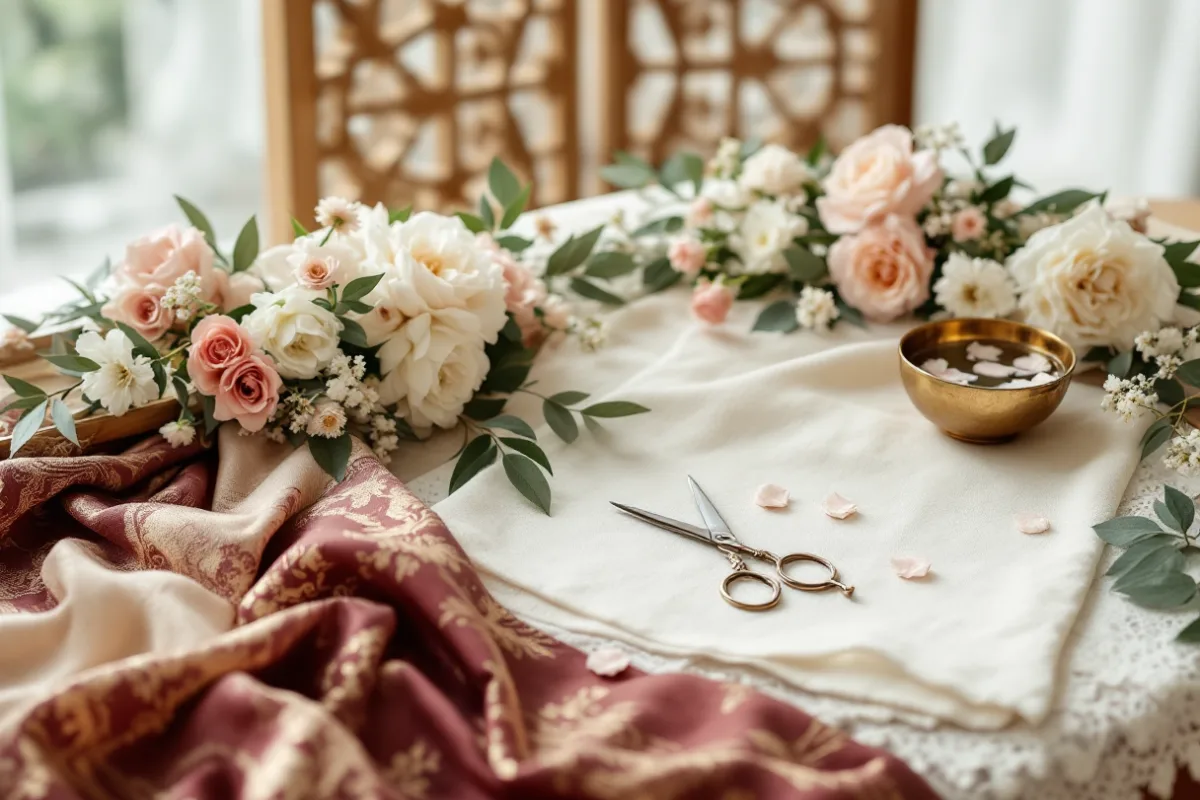
Prepare the cukur jambul items: scissors, a bowl of scented water, bunga rampai and candles.
Invite a marhaban group, or decide who will lead the recitation.
Arrange distribution of the aqiqah meat to neighbours and those in need.
Send the invitations early — relatives need time to arrange travel.
An aqiqah invitation without the extra errand
The first week after a birth is no time for trips to a print shop. A digital invitation can be finished from home, shared as a single WhatsApp link with the whole family, and edited again if the date shifts — without changing the link you already sent.
The built-in RSVP also answers the one question the caterer actually needs: how many people are really coming.
Frequently asked questions
When is the best time to hold an aqiqah?
The seventh day after birth is the most encouraged, combined with the cukur jambul and the naming of the baby. If that is missed, day 14 or day 21 are the next options, and the aqiqah can still be performed after that.
How many goats are needed for an aqiqah?
Two for a boy and one for a girl, following the sunnah. Where means are limited, one goat for a boy is still accepted.
Can aqiqah and cukur jambul be held together?
Yes, and that is the most common practice in Malaysia. Both are combined into a single majlis on the seventh day along with the naming, which saves the family both cost and effort.
Is aqiqah obligatory?
No. The ruling is sunnah muakkad — strongly encouraged, but there is no sin in leaving it, particularly for a family that cannot yet afford it.